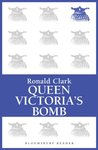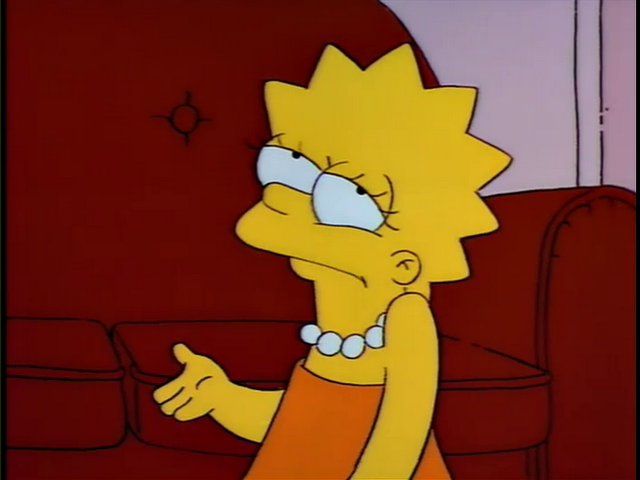
Thanks to a generous (and conference-attending) friend, I spent last night at the Belvoir St Theatre watching the State Theatre Company of SA’s production of Mr. Burns, a Post-Electric Play, an off-Broadway musical (truly) by Anne Washburn. I’m a fan of The Simpsons and I like dark comedy (as this was billed) so I was keen to see how it would all fit together.
So, the new season of Twin Peaks is upon us, unfolding darkly. It’s as good a time as any to dive into Mark Frost’s remarkably produced tome, which offers a little in the way of backstory before we spool up for whatever he and Lynch have planned for the sleepy burg and its inhabitants.
The first thing to note is that this isn’t a novel per se. It’s billed as that, though it presents a collection of documents: a dossier. This should be unsurprising if you’re familiar with other tie-in works: both The Secret Diary of Laura Palmer and Dale Cooper: My Life, My Tapes (the latter written by Frost) were fictional but presented in the manner of documents – a teenager’s diary and a fastidious man’s audio transcriptions. And yes, it may appear slightly gimmicky, but there’s so much effort put into maintaining the idea that one can’t help but go along with it. Continue reading “Book review: The Secret History of Twin Peaks”→
I took a break from playing through a chunk of my pile of shame – I’m on the second game of the Arkham series of Batman console reboots, though I’m playing on a PC – to play through two Telltale adventures: The Walking Dead: A New Frontier and Batman: The Telltale Series. So let’s have some thoughts about ’em both.
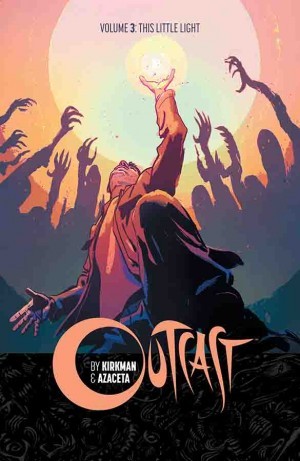
This volume gathers together the first six issues of Outcast, a still-ongoing comic written by Robert Kirkman and illustrated by Paul Azaceta. It’s getting variable reviews, which I suspect are largely because of its author: for a while now, Kirkman (the creator of The Walking Dead in case you’re visiting our planet) has been considered kind of untouchable. And so, the tall poppy thing comes in.
(Cue record-skip noise. Here’s where I point out that I don’t know Kirkman’s work on The Walking Dead except from the TV show, which wore thin for me a couple of seasons ago. The best thing associated with the franchise, I believe, are Telltale’s great run of tie-in adventure games (the third, not so much), but this is open to revision when I finally get around to reading the omnibus versions of the work. Got it? Good.) Continue reading “Book review: Outcast, Vol. 1: A Darkness Surrounds Him”→
I first read this book not long after it came out. I was still at university, and was still enamoured of study and reading between the lines enough to think that if a text was gnomic enough it must have been super-profound, and if I didn’t get it, it was my fault and not the book’s.
That was then. Now, I can go “eh, fuck that book” with impunity and not feel as if I need to turn in my Lit Nerd decoder ring or something. Continue reading “Book review: The Raven”→
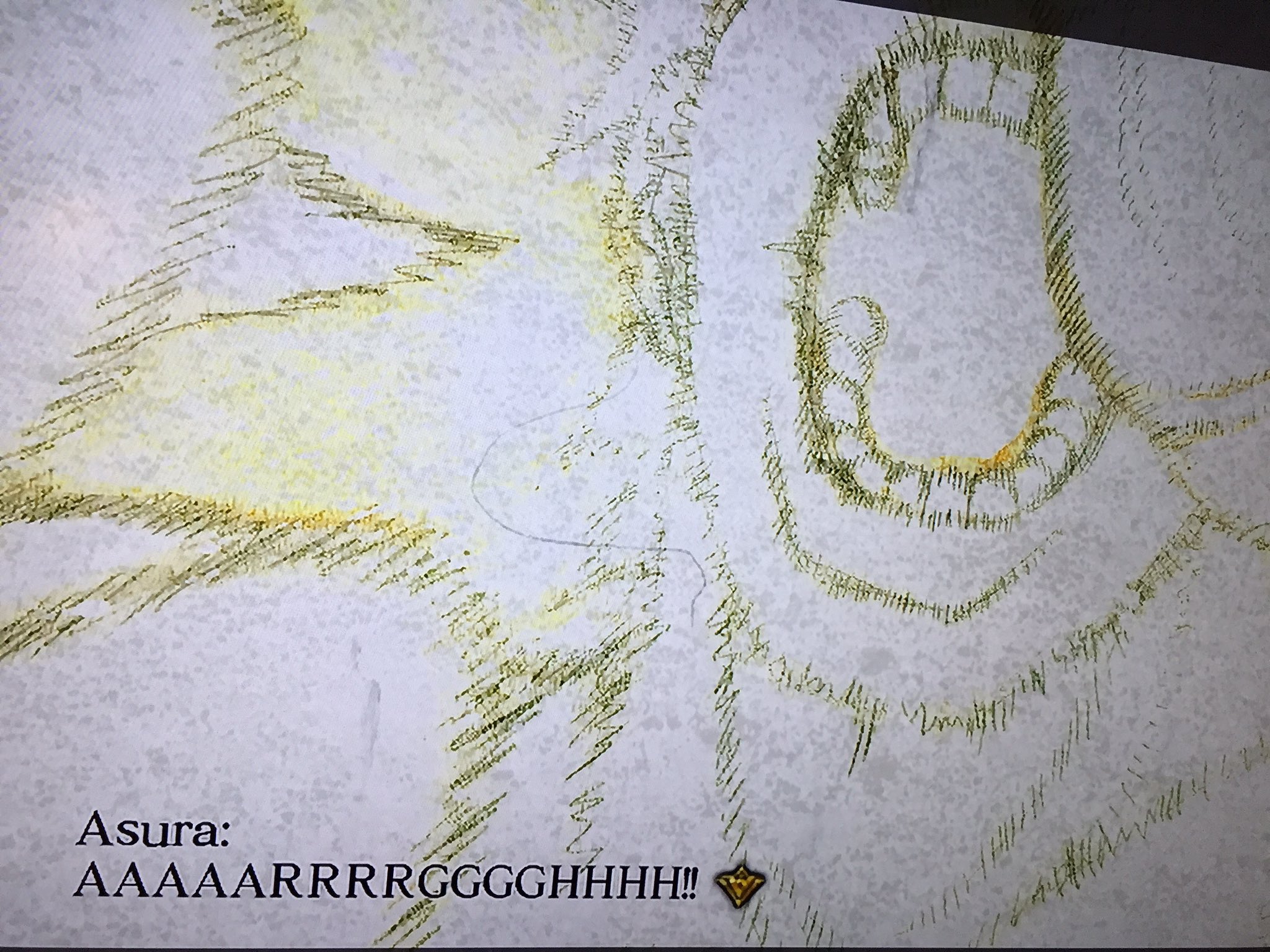
I’ve just finished playing a game that’s one of the stranger things I’ve played. It’s essentially an episodic anime with some Nier-like battles thrown in, but the whole thing is strange as hell. It’s appealing, but I spent most of my playtime wondering what the fuck was going on. But I suppose that’s what you’d expect from a game best described as an anger simulator.
Imagine this for pages and pages.
Oh, did I mention you punch gods to death? And occasionally have six arms? And crawl out of hell on the reg? And can somehow defeat hordes of monsters after your arms have been ripped off? And take advice from a golden spider who sounds as if he’s grooming you? And that you fight robots that look like the Buddha, have tantrums that explode spaceships and ultimately win the game by punching the earth in the face? Continue reading “Asura’s Wrath (2012)”→
Coming home after some period away there’s always adjustment. I lived in the UK for a couple of years, and I remember Sydney feeling very strange when I returned: the main roads seemed stupidly wide, and the town felt underpopulated. It was different – or, rather, my expectations were different. I wasn’t calibrated for the place any more, and it took time for me to gather my old despair at crowds on a local scale.
This feeling of not really belonging, of seeing things that are familiar as if they’re slightly off, is important in Fullbright’s Gone Home. As every, I’m behind the times – I’ve had this game for years, but didn’t get around to playing it until yesterday. I know that it received a lot of positive press when it came out (as well as a smattering of bro-led whuh?) but thankfully that’s dissipated now, so I was able to get through the thing without preconception.
(If you haven’t played it, it’s probably worth noting that there will likely be spoilers at some points in this review, so you might want to skip it if you haven’t played and would like to, as the plot is the game, pretty much.) Continue reading “Gone Home (2013/2016)”→
So today I went to an afternoon screening of Alien: Covenant in a big-screen cinema with fuck-all people in it. As you can probably tell, below.
Not pictured: cap-wearing jerk who sat in front, just before it all got started.
I have long been a fan of the Alien franchise, largely because the first two movies are practically untouchable. The first (and best, let’s face it) is a peculiarly English thing, despite its cast: it’s almost a locked-room film, a And Then There Were None-style elimination game. It’s claustrophobic and sweaty, Das Boot in space, and its reliance on biomechanical similarity – the creature is kind of like things you know, but not really – is deeply fucking creepy. There’s something about the first that gives you bone-deep chills. Is it because it’s a big ole filmic rapefest? Is it because everyone is weak and at the mercy of uncaring fate? Is it because of a feeling of entrampment, of isolation? Take your pick, but it sticks in the mind. Continue reading “Alien: Covenant and some thoughts about bugs”→
Over the past couple of weeks I’ve been playing my way – maybe finally – through the God of War series. And it can be distilled down to this: as Kratos, you slash your way through thousands of monsters and people because you’re angry because you’re sad.
Granted, having your wife and child killed – well, actually killing them yourself, to be more correct – is a bit of a bummer. But to foster that big a killing spree? That’s some next-level grudge-holding work there, guy. I certainly couldn’t manage it in person, and sometimes during my playthrough of the six games, I wondered if I’d manage it in by proxy.
I HATE YOU ALL.
But I did, and I’m kind of glad, because I don’t know that I’d be able to have a run through them all. The backlog is too large, and there’s only so much time one man can spare for a bald, angry Spartan. Continue reading “Zeus, you’re a dick: finishing with God of War”→
Jessica Anderson is someone who I’ve always meant to read more of but hadn’t managed to. Tirra Lirra By The River was loosely covered in my Eng Lit degree, and didn’t make much of an impression (probably because of my youthful inattention, frankly) but The Commandant, it turns out, is exceptional.
It’s one of the titles reissued in Text Publishing’s yellow-covered series of classics, and from the introduction I can see how the work might have been considered a bodice-ripper when it came out. Though – the off-screen appearance of shagging, if any, aside – it’s a disservice to call it such. It’s a meditation on early Australian history, as well as a forerunner of other such historical fiction as Peter Carey’s Oscar and Lucinda. It sits well with Patrick White’s Voss inasmuch as it takes history for its basis, and then adds to it, using invention as the magnifying glass for fact.